Veterans in Equity Conversations
May 26, 2026
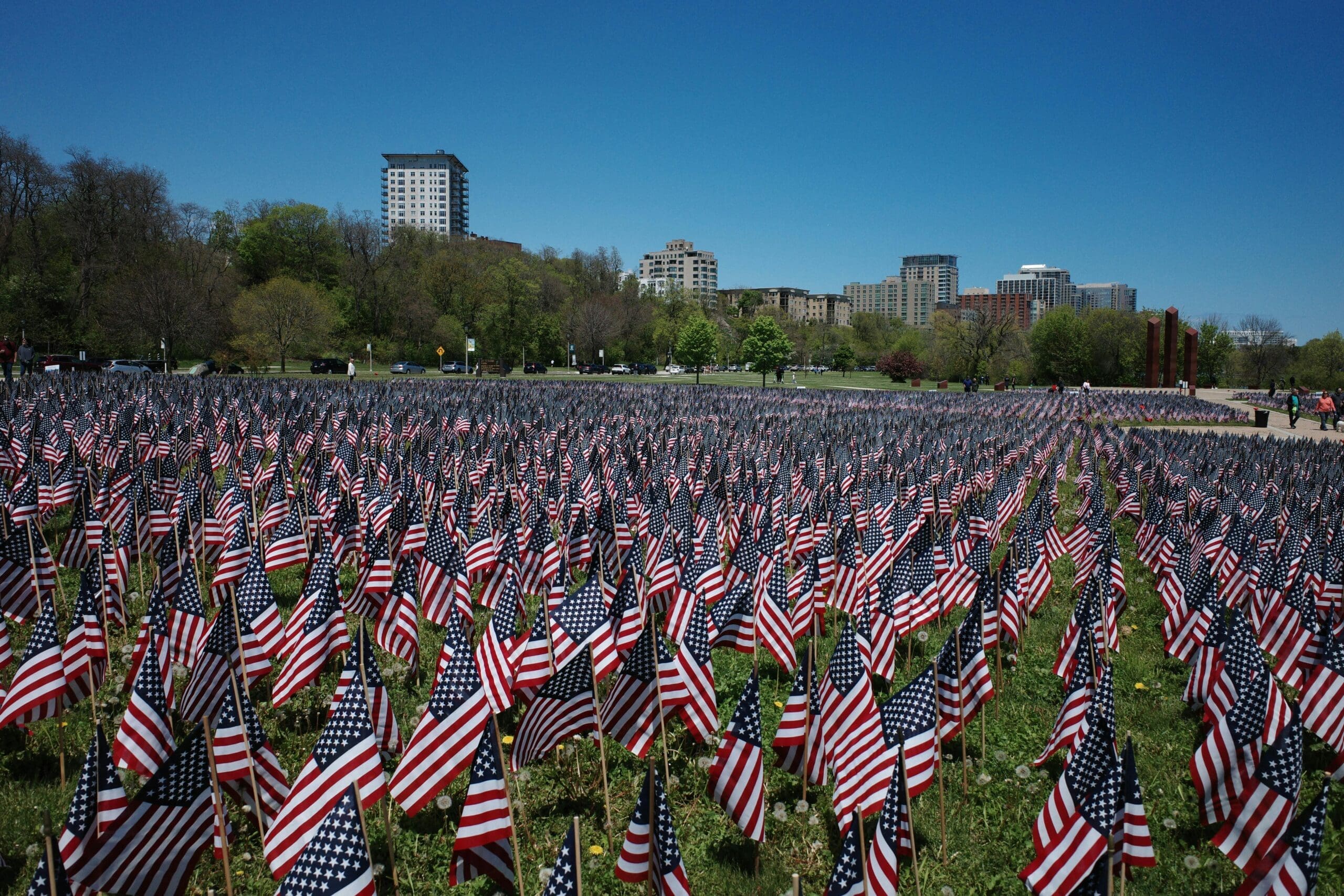
Memorial Day honors and mourns military personnel who died while serving in the U.S. Armed Forces. When your community has conversations about housing justice, disability rights, economic opportunity, or community health, how can you center veterans?
An estimated 15,000 veterans live in Detroit— roughly 3.1% of Detroit’s total adult population compared to the overall Michigan average 5.4%. When addressing any vulnerable population, discussing how veterans are impacted is key. A quick review of the numbers helps identify the overlap.
| Disabilities | National VA data shows that roughly 34% of all veterans have a service-connected disability rating. In younger cohorts (Gulf War-era II), that number jumps to 50%. |
| Mental Health Conditions | While veteran-specific data is often localized to VA health systems, 22.6% of adults in Detroit report experiencing frequent mental distress. Veterans nationally face higher baseline rates of PTSD and depression. |
| Workforce Challenges | The labor report for Michigan veterans indicates a 4.7% unemployment rate. [See Michigan Center for Data and Analytics “Michigan Veterans: Population, Employment, and Earnings”, published November 2025] |
| Homelessness | As of early 2025, Detroit’s Continuum of Care (CAM Detroit) reports massive progress: approximately 100 veterans lack stable housing on a given night, down from nearly 350 in 2017. |
A Major Decline in Veteran Homelessness: Detroit implemented the Built for Zero housing strategy and reduced the active homeless veteran population down to roughly 100 individuals (with only about 11 of those veterans estimated to be completely unsheltered).
The Aging Variable: A hidden workforce barrier for Detroit area veterans is age. Only 45% of Michigan’s veteran population falls into the traditional working age bracket of 18 to 64.
The Intersection of Disability and Work: Among working-age veterans who are unemployed, the VA notes that those with a disability rating of 60% or higher have drastically lower workforce participation rates (64.7%) compared to those with lower disability ratings (85.1%).
Healthcare Gaps: University of Michigan health assessments indicate that only about 19% of local community health and mental health providers in the state have formal training in military culture, creating a localized gap for veterans trying to treat PTSD or traumatic brain injuries outside of the Detroit VA Medical Center system.
What Do These Numbers Mean for YOUR Community?
Black veterans are more likely to experience homelessness and poverty after service than white veterans. Women veterans — the fastest-growing segment of the veteran population — face unique barriers that the VA system must evolve to address. LGBTQ+ veterans carry the additional weight of having served under policies that criminalized their identities. And roughly 5 million veterans nationally who live with disabilities are navigate a benefits system that is difficult to access. These are not footnotes to the veteran experience. They are the veteran experience for a large share of those who served.
Housing
On any given night in the United States, more than 35,000 veterans are experiencing homelessness. That number has declined significantly over the past two decades thanks to targeted federal investment. But veterans with service-connected disabilities may need accessible units that simply do not exist in sufficient supply — a problem Detroit’s own Housing Accessibility Report documented in stark terms. Veterans with PTSD, traumatic brain injury, or substance use disorders may struggle to maintain stable tenancy even when housed, particularly without wraparound support.
In Detroit, the connection is direct. Every conversation about accessible housing, chronic homelessness, and housing code enforcement in this city is also a conversation about veterans. When we talk about recent (and still unresolved) issues like Leland Building Crisis, impacted residents could include veterans.
Disability
Roughly 5 million veterans in the U.S. receive VA disability compensation. The most common service-connected conditions include tinnitus, hearing loss, post-traumatic stress disorder, musculoskeletal injuries, and traumatic brain injury. Many veterans carry multiple conditions simultaneously.
This is where the veteran experience and the broader disability justice movement should be speaking the same language. In Detroit’s context: the city has roughly 124,000 residents living with a disability. A meaningful portion of them are veterans. When we talk about the shortage of accessible housing, the inaccessibility of DDOT buses, the lack of grab bars and roll-in showers in aging housing stock — we are talking about veterans. When we celebrate the $18.4 million ADA Complementary Paratransit contract approved by City Council in March 2026, that investment reaches veterans.
Mental Health
Detroit City Council’s March 2026 expansion of mental health co-response teams to 24/7 operation is a step in the right direction. But approximately 17 veterans die by suicide every day in the United States; veterans are 1.5 times more likely to die by suicide than non-veterans, and; PTSD affects between 11% and 20% of veterans who served in Iraq and Afghanistan. When Detroit City Council discussed the Mental Health and Public Safety Task Force, veteran-specific protocols deserved a conversation. Identify if your community is advocating to address these challenges.
Workforce
Mayor Sheffield’s living wage executive order — $44,616 per year for all full-time city employees — and the expansion of Detroit at Work workforce programs are both relevant when asking the question if the job pipeline is reaching veteran job seekers. The city has built strong workforce development partnerships with Wayne State, Henry Ford, among others. How do these organizations use the extraordinary skills veterans have developed in military service such as leadership, logistics, crisis management, and the ability to perform under pressure? The gap between what veterans know and what employers will hire them to do is a structural challenge.
The Detroit Connection — Advocates for Veterans
The Office of Veterans Affairs sits within Detroit’s structure and has already done impressive work on housing, workforce development, and advocacy of veterans. Offices like these are a resource. For your own community, start advocating by reaching out to your local office and ask questions about:
- Disaggregating data: When city departments report on homelessness, disability, unemployment, or mental health, is veteran status a tracked demography? You cannot address a population you cannot see.
- Including veterans in task force mandates: Are veterans considered in the taskforces? These could be related to disability, housing, public health, and more.
- Connecting the VA to city systems. The VA has housing, mental health, transportation, and employment resources that may be underutilized in your community. Figure out if there is a way to bridge that gap in service.
- Listening to veterans directly. Does your community host town halls, community listening sessions, or other space where veterans can name their own needs and shape the policy responses?
If you work in veteran services, disability advocacy, housing policy, or community organizing, reach out! Connect and unlock your community’s potential!
Khurram Imam is the Director of Zaki Impact Consulting, where he helps governments, nonprofits, and foundations design strategies and programs that are equitable, measurable, and built to last. His work sits at the intersection of public health, workforce development, and community systems. Connect with him on LinkedIn or explore his services at khurramimam.com/services.
